
Preventive Care
In collaboration with


Why is your pet’s routine wellness visit so important?
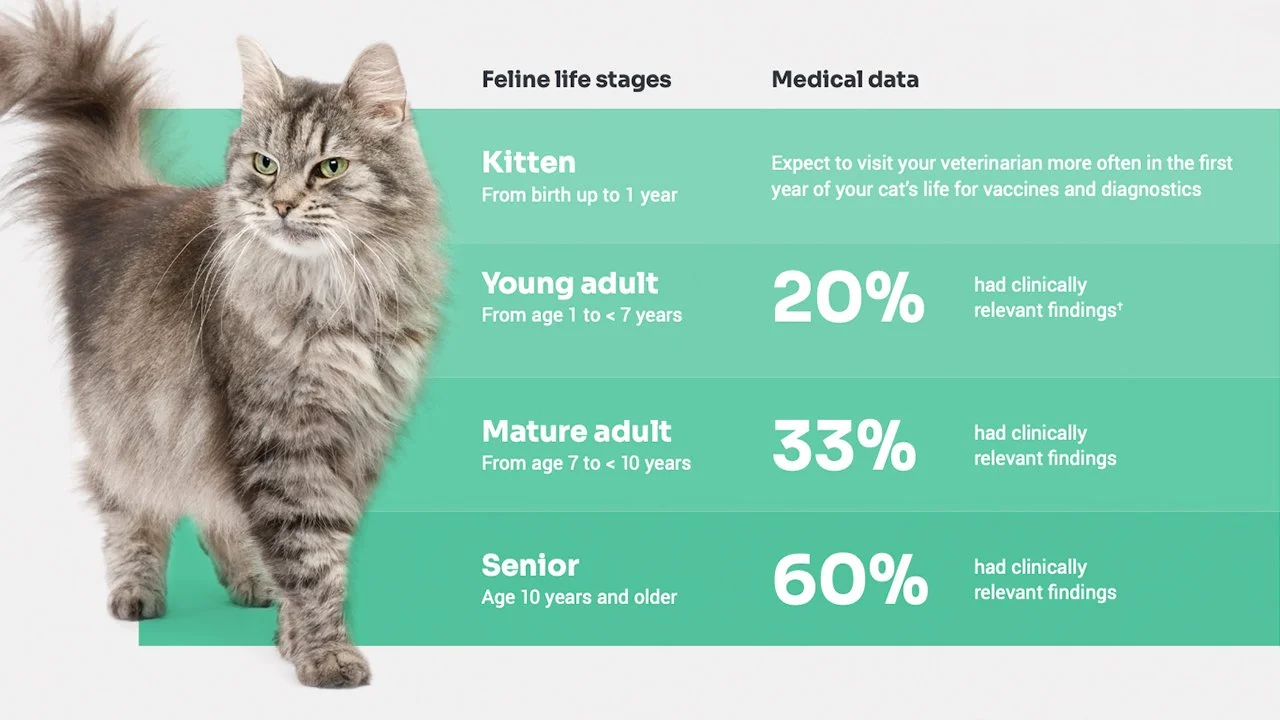
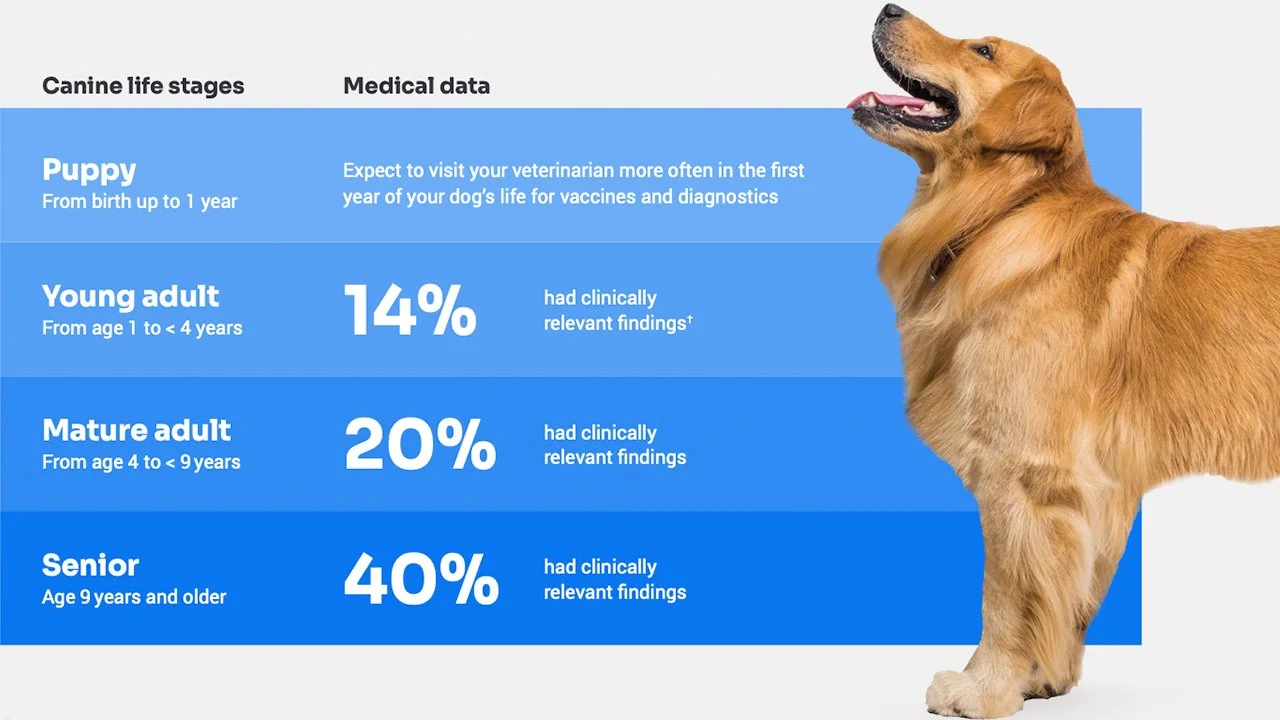
A wellness visit is more than just a checkup. It's a chance to talk with your veterinarian about your pet's lifestyle, to understand potential risk factors that might develop as they age, and to establish a diagnostic baseline while your pet is healthy. Research shows that including diagnostic testing in a wellness visit can uncover potential issues in up to 40% of dogs and 60% of cats. By identifying issues early, we can help your pet live a happier, healthier life and avoid potential additional costs associated with treatments if disease goes undetected.
A typical wellness visit might include these:
A physical exam
We look for changes in your pet’s oral health, weight, joints, skin, and ears. These changes may be signs of illness.
Diagnostic screening tests
We check your pet’s internal health via diagnostic screening tests including blood, stool, and urine tests. These results help us manage and track your pet’s overall health.
A review of results
We look for changes in results from year to year. Changes can act asearly warning signs of health problems.

What we look at during a visit and why.
A comprehensive wellness visit can give us a clearer picture of your pet’s health so we can make the best recommendations for their care. The exam includes diagnostic screening tests, plus a physical exam from nose to tail.
Eyes
Small changes in the eyes may cause problems with vision or may be a sign of underlying diseases that would require treatment.

Ears and skin
Evaluation can help us detect skin parasites like ear mites or fleas as well as changes that can signal infection or other conditions.

Mouth and teeth
Evaluating the health and color of the gums and teeth can help us take proactive measures to protect and maintain healthy teeth as well as possibly identify signs of other underlying systemic diseases.

Abdomen
Abnormal size or shape of organs or changes in the digestive tract can point us to disease, even without symptoms.

Heart and lungs
Issues with the heart and lungs affect the body’s ability to circulate blood and oxygen, which can have far-reaching effects in the body.

Joints, muscle, and mobility
Looking for evidence of arthritis or changes in muscle and ability to move can help us determine if other treatments are needed for support.


Diagnostic screening tests let us evaluate your pet’s internal health. By screening your pet’s blood, urine, and stool samples, we can get a comprehensive assessment of your pet’s overall health. This can help us detect disease early, sometimes before symptoms arise.
Blood cell health
Evaluating blood cells provides insight into the immune system, risks of bleeding, and the ability to distribute oxygen to the body.

Organ function
Blood testing can help us evaluate liver function and kidney function, as well as determine levels of important proteins, electrolytes, and thyroid hormones. Urine testing provides additional information on hydration and bladder health as well as deeper insights on organ functions.

Infectious disease
We also test the blood for dangerous parasites like heartworms and for diseases that can be transmitted by ticks. In cats that go outdoors, we can also test for diseases that can be contracted by contact with other cats. Pets may harbor intestinal parasites without any outward signs; some of these parasites are transmissible to humans. Fecal testing for pets detects intestinal parasites to help reduce infections in pets and protect humans.

Pets of all ages can have underlying issues.
Regular checkups that include routine testing can help identify issues early.
Recent research shows that regular testing can uncover potential issues in up to 40% of dogs and 60% of cats. Routine diagnostics at your pet's next visit can help establish a healthy baseline in your pet and uncover any potential health issues, at every stage of your pet's life.